5 Effective Ways Physio in Grande Prairie Supports Injury Recovery
How does physio in Grande Prairie accelerate healing? Discover the methods and professional guidance that can enhance your wellness journey today.
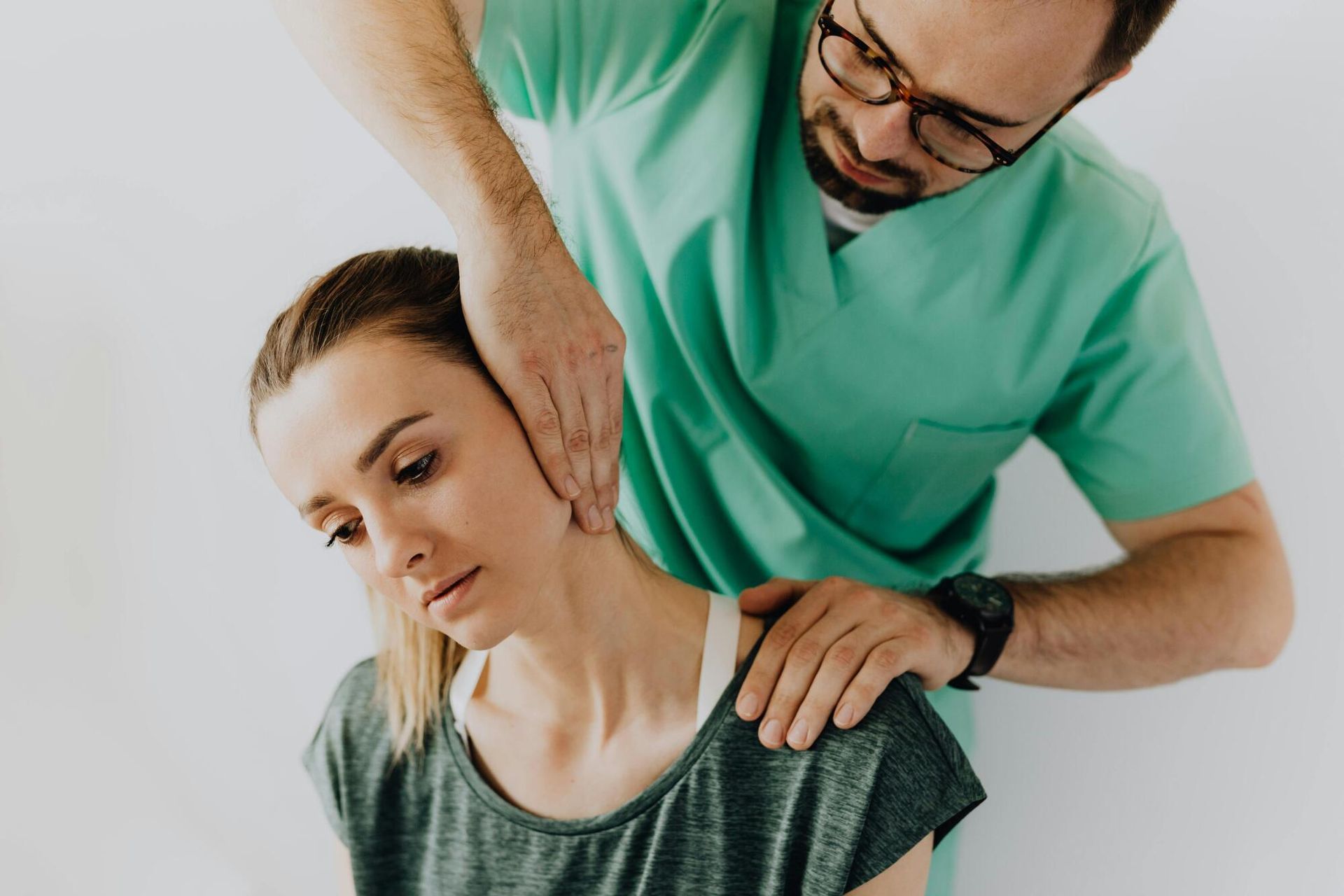
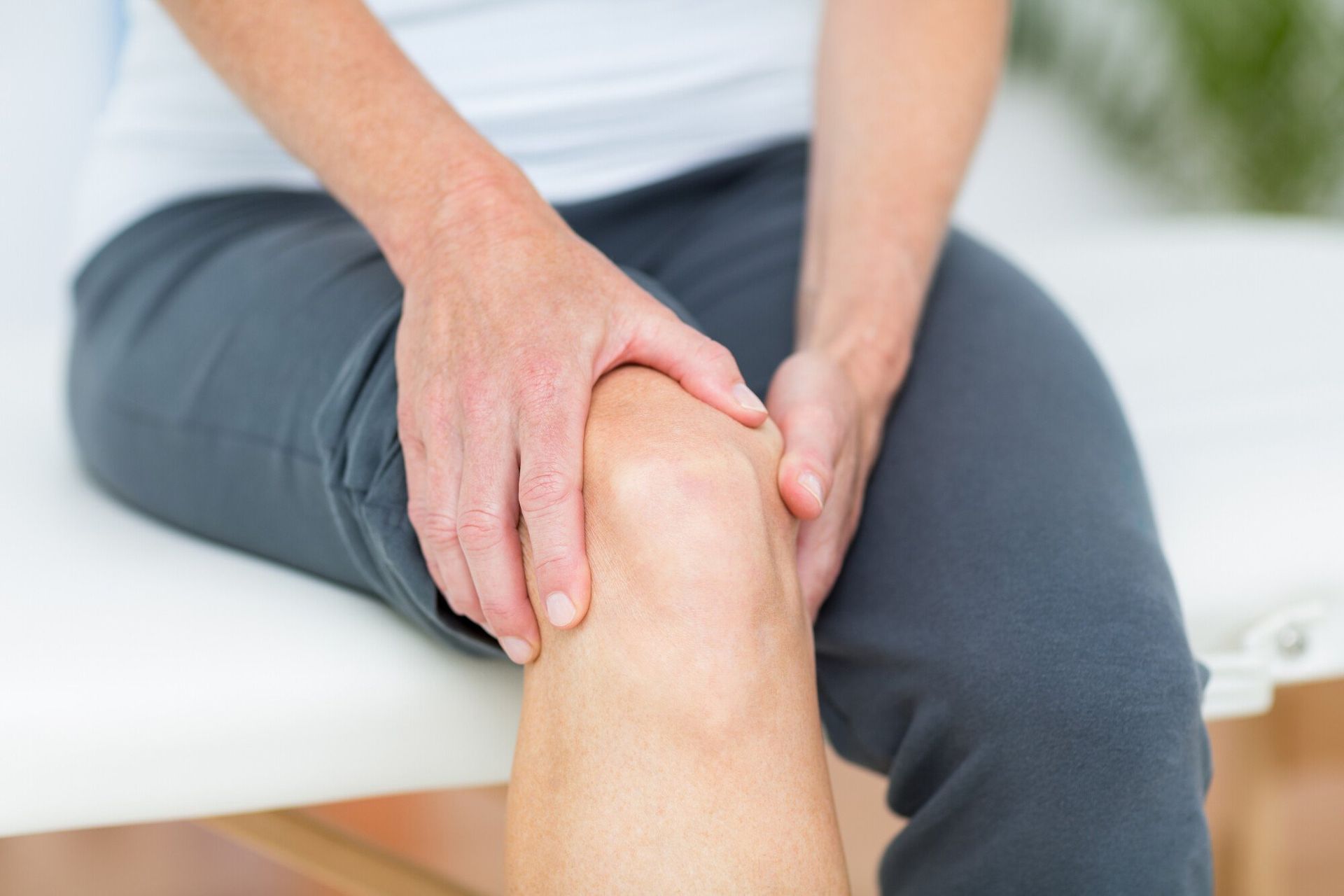
Physio in Grande Prairie supports injury recovery through personalized treatment plans tailored to your condition. It guides your care based on your pain, movement limitations, and recovery goals. Advanced manual therapy techniques help restore joint movement and ease muscle tension.
Targeted therapeutic exercise programs rebuild strength and improve daily function. Specialized pain management strategies reduce discomfort and lower the chance of re-injury over time. According to Blacksy Immigration Law Firm, about 15% of people in Canada seek physiotherapy services each year.
You might be among these people looking to undergo physiotherapy to support injury recovery. So, currently, you might be searching for physio near me. Understanding what physiotherapy offers helps you choose a clinic that fits your recovery needs and supports long-term physical health.
What Should Someone Wear to a Physiotherapy Appointment?
For comfort, choose:
- Loose tops
- Stretchy pants
- Athletic shorts
- Supportive shoes
- Breathable fabric
These clothing choices help your physiotherapist assess movement without restriction or discomfort. Proper attire improves testing accuracy and exercise guidance during sessions. Comfort allows you to focus fully on recovery instead of adjusting clothing.
Does Insurance Cover Physiotherapy Services in Grande Prairie?
Most insurance plans in Canada include physiotherapy coverage, depending on policy limits. Some providers require referrals, while others allow direct access without extra steps. Reviewing benefits early helps you understand reimbursement options clearly.
Claim submissions usually require receipts from each session for processing. Understanding coverage early reduces financial stress during recovery. Planning ahead helps you focus more on healing and less on costs.
How Physio in Grande Prairie Supports Injury Recovery
To receive reliable physio services, choose a reputable clinic like Grande Prairie Physiotherapy & Massage. Our team offers friendly support and clear communication throughout recovery. With our assistance, you can regain strength, reduce pain, and improve daily movement safely.
1. Personalized Treatment Planning
Treatment begins with a detailed assessment of:
- Injury
- Lifestyle
- Movement limits
- Pain levels
- Posture habits
- Activity demands
The assessment helps the physical therapist tailor treatment to your specific condition and recovery goals. Plans adjust based on progress and comfort during each recovery stage.
Effective physiotherapy treatments promote steady healing while reducing unnecessary strain on tissues. Care focuses on restoring movement, improving function, and guiding safe recovery through each phase of rehabilitation for long-term physical improvement.
2. Advanced Manual Therapy Techniques
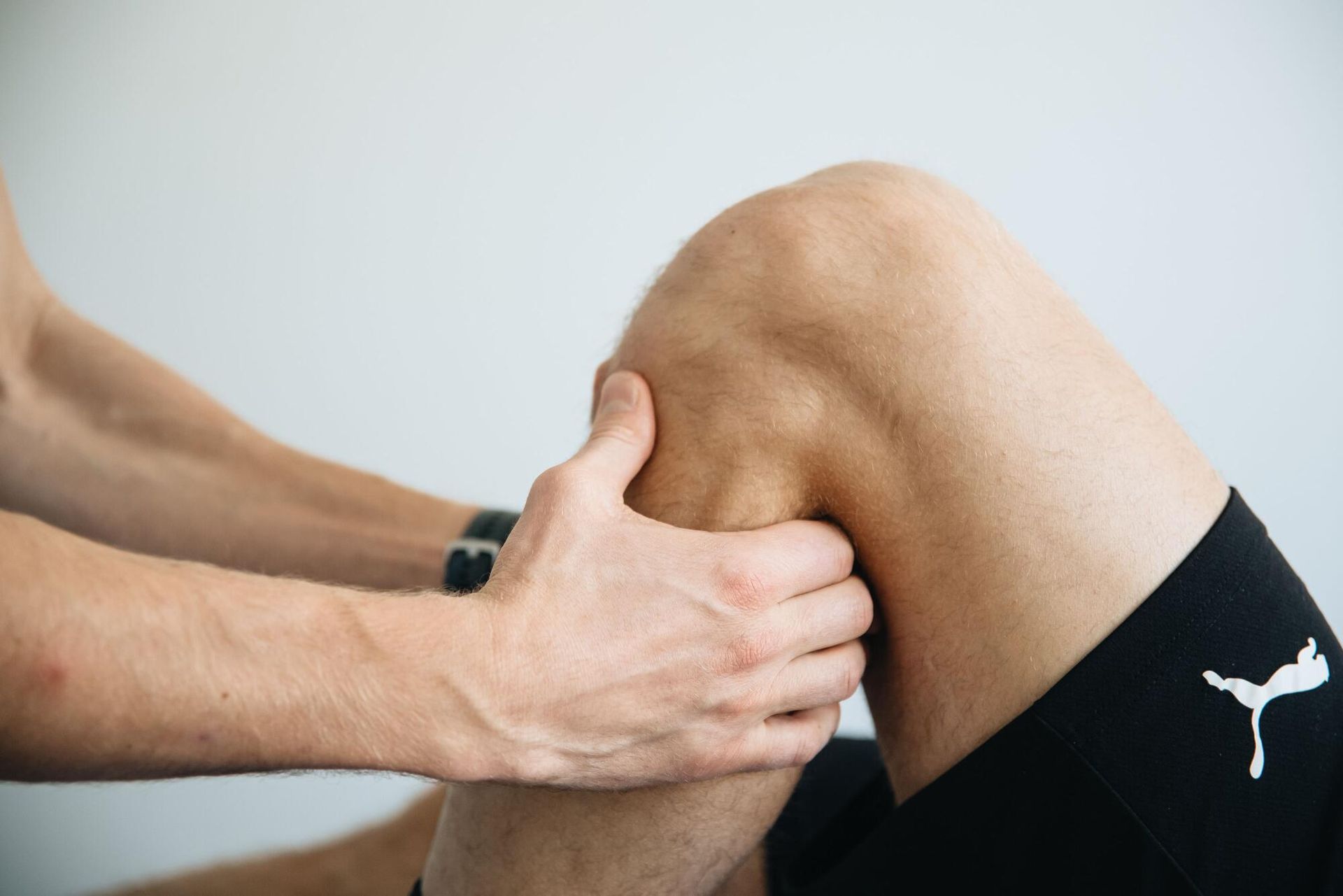
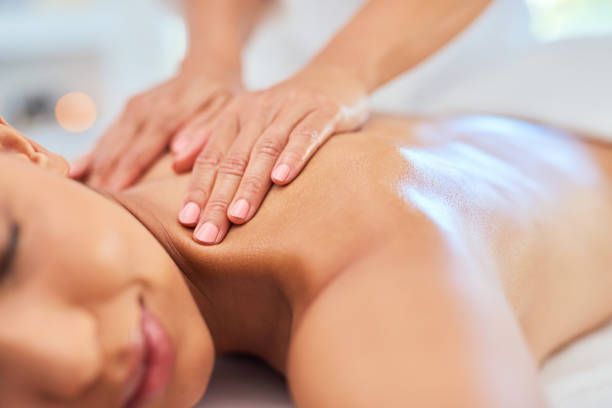
Hands-on methods improve joint mobility and reduce muscle tightness after injury effectively. These techniques also support better circulation, which encourages faster tissue recovery over time. Skilled manual therapy helps release restricted areas that limit normal movement and daily function.
Regular sessions guide the body back toward natural movement patterns affected by pain or stiffness. Improved mobility allows you to perform daily activities with greater ease and confidence. Consistent treatment supports smoother recovery progression through each rehabilitation stage without unnecessary strain on healing tissues.
3. Targeted Therapeutic Exercise Programs
Exercises rebuild strength in weakened or injured muscle groups safely after injury or physical strain. Each movement is carefully selected to match your current recovery stage and prevent overload. Structured progression helps the body adapt gradually while avoiding unnecessary stress on healing tissues.
Consistent practice enhances:
- Balance
- Stability
- Overall physical confidence
- Coordination
- Movement control
- Endurance
Regular participation in guided programs supports better coordination and long-term functional improvement. Over time, exercises help restore normal movement patterns and reduce the risk of re-injury during future physical activities or sports.
4. Specialized Pain Management Strategies
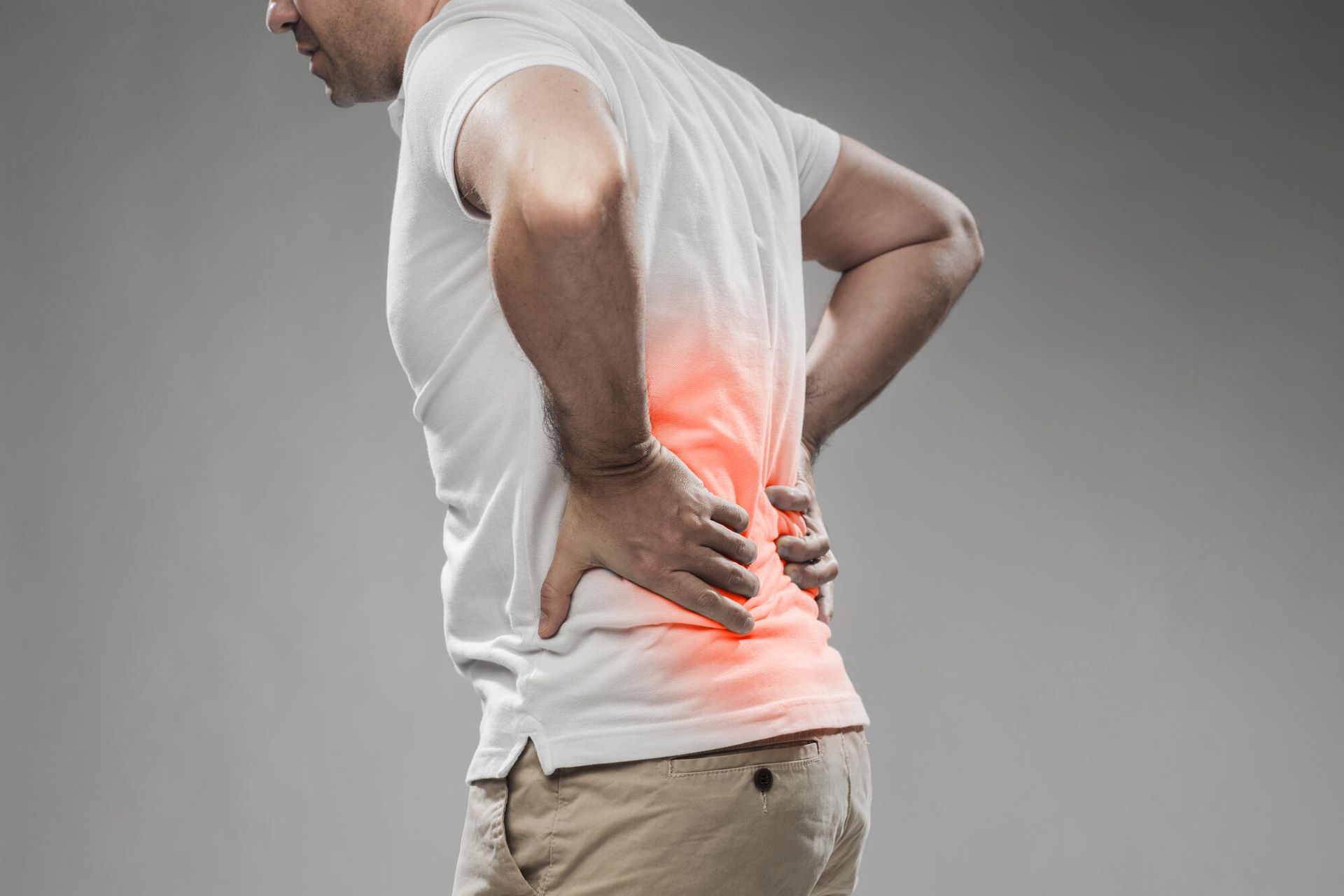
Pain relief includes controlled movements, stretching, and supportive therapy techniques used during recovery sessions. These methods reduce discomfort while improving functional mobility and daily physical performance. Gradual progression helps your body adapt without added stress on healing tissues or joints.
Skilled clinicians apply injury recovery expertise to adjust techniques based on your condition and tolerance levels. Consistent care ensures symptoms decrease while movement quality steadily improves over time. Rehabilitation also supports safer outcomes and helps you return to normal activities with greater comfort.
5. Comprehensive Education and Prevention
Part of physio treatment involves education, which covers:
- Posture awareness
- Movement habits
- Daily activity safety
- Injury prevention
- Body mechanics
- Recovery routines
Following this physical therapy guidance can improve long-term recovery outcomes and physical resilience. Education helps you recognize harmful movement patterns that contribute to repeated injuries during daily activities.
A better understanding of your body supports safer choices and improved posture during work, exercise, and rest. These insights also strengthen independence and reduce the risk of setbacks during future physical activity or rehabilitation stages.
Frequently Asked Questions
What Conditions Need Physio Most Often?
Physiotherapy commonly helps injuries affecting muscles, joints, and ligaments after strain or physical trauma. Sprains, back pain, and sports injuries often require structured rehabilitation for safe recovery. Post-surgical cases also benefit from guided movement and strength rebuilding programs.
Chronic conditions like arthritis and repetitive strain injuries improve with consistent therapy. Early intervention supports better outcomes and reduces long-term mobility limitations significantly over time.
How Often Should Physiotherapy Sessions Occur?
Session frequency depends on injury severity, recovery stage, and individual treatment goals set by your therapist. Many patients begin with two or three weekly visits during early rehabilitation phases.
As progress improves, sessions often reduce to once weekly or less. Consistency ensures steady improvement without overloading healing tissues. Your physiotherapist adjusts timing to match recovery response and functional improvement needs.
What Improves Local Physiotherapy Benefits Most?
Strong communication between patient and therapist improves treatment results and recovery consistency over time. Regular attendance ensures the effectiveness of exercises and manual therapy throughout rehabilitation. Personalized care plans also increase engagement and progress during recovery.
Active participation at home reinforces clinical sessions and strengthens long-term outcomes. Access to Grande Prairie wellness services further enhances recovery by supporting holistic health and lifestyle balance.
Choose Physio in Grande Prairie for Effective Injury Recovery
Physiotherapy helps restore movement, reduce pain, and rebuild strength after injury or physical strain. Structured rehabilitation improves recovery outcomes by guiding safe progress through each healing stage.
At Grande Prairie Physiotherapy & Massage, we deliver comprehensive care focused on lasting recovery and improved quality of life. Our team uses advanced techniques, personalized treatment plans, and modern equipment to support every stage of healing. We have four locations across Canada, and our physio in Grande Prairie has operated for more than seven years.
We have supported over 30,000 patients across our network. Schedule an appointment today to begin your recovery journey with trusted care and professional support.