How Sports Physiotheraphy Can Improve Your Recovery
Whether you run, swim, lift, or do something entirely different, sports physiotherapy is the key to fast, healthy recovery.
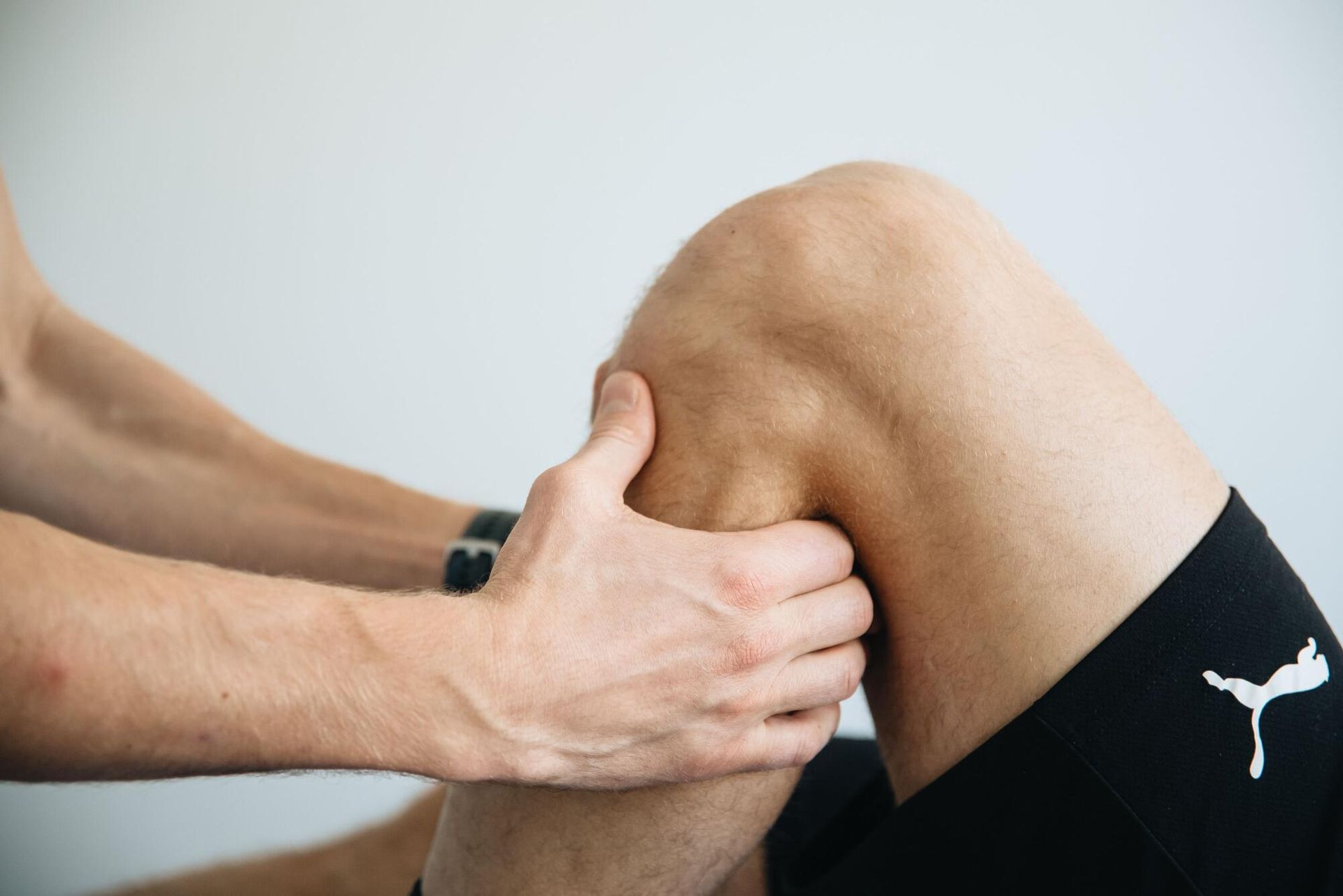
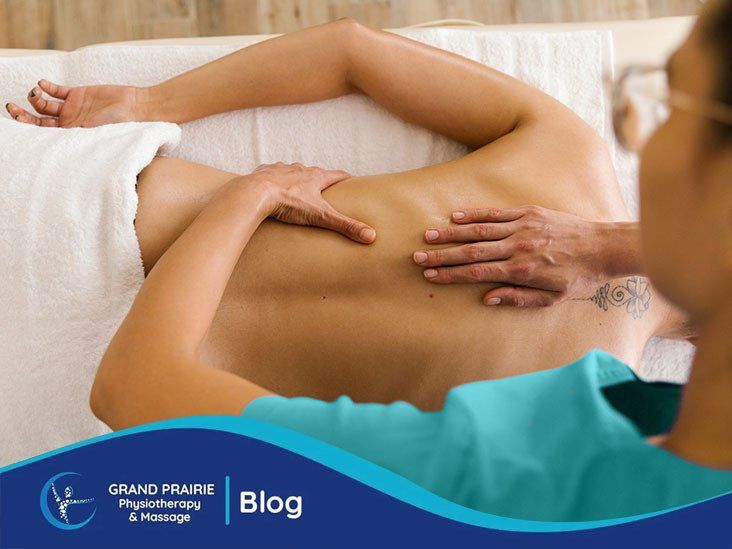
Sports physiotherapy can speed up your body's natural muscle repair while easing you back into movement. It also works to restore full mobility to joints left stiff or swollen from injury. A personalized treatment plan can rebuild strength and endurance, helping you return to your routine with greater confidence.
Fitness Avenue reports that around 35% of injuries in Canada happen during sports or exercise, with two-thirds involving adolescents during physical activity. Recovering from these injuries often takes time and patience.
If you're one of the many people dealing with a sports injury, you might already be considering sports physiotherapy in Grande Prairie, Alberta. Knowing how it can support your recovery can help you get back to your routine faster and with less risk of reinjury.
How Does Sports Physiotherapy Differ From Standard Physical Therapy for Injuries?
Standard physical therapy often treats general aches, surgical recovery, or age-related conditions. Sports physiotherapy in Grande Prairie, Alberta focuses on the specific demands of your activity, from sprinting to swimming. A sports-focused therapist studies how your sport stresses your muscles and joints, giving insight into common injury patterns.
Therapy for athletes focuses on functional movement, which consists of exercises that mirror what you do in competition. Choosing a therapist who understands your sport can make your recovery more targeted and effective.
What Psychological Benefits Do Athletes Gain From Working With Sports Physiotherapists?
Watching your strength fade or missing games can bring frustration and self-doubt. Working with a sports physiotherapist in Grande Prairie, Alberta can:
- Ease mental strain
- Build steady confidence
- Reduce anxiety and worry
- Improve focus and motivation
- Encourage patience during setbacks
Many physiotherapy benefits reach beyond the physical, supporting your mindset as much as your body. Understanding your healing process can remind you that progress takes time and is not about perfection.
Ways Sports Physiotherapy Can Improve Your Recovery
Without prior experience, you may not know how sports physiotherapy works or what it entails. Consulting specialists like Grande Prairie Physiotherapy & Massage can clear up the confusion.
Our team can walk you through what to expect during each stage of your treatment. We can help you understand how proper sports injury recovery support can get you back to full strength.
Accelerating Natural Muscle Repair
Your body works hard to heal itself, and appropriate support can accelerate that process. Specific physio techniques, like manual therapy and soft tissue work, boost blood flow to damaged areas.
Better circulation brings more oxygen and nutrients to healing muscle fibers, helping repair happen faster. Your therapist can adjust these techniques over time, matching the treatment to how your tissue responds as it heals.
Reducing Inflammation and Swelling
Swelling around an injury can cause issues such as:
- Slower healing process
- Ongoing discomfort
- Limited range of motion
- Increased pain sensitivity
- Delayed return to activity
Ice therapy, compression, and gentle movement can safely reduce inflammation. Your therapist monitors your swelling and adjusts treatment based on your body's responses. Managing inflammation early can shorten your recovery timeline and get you back to your routine sooner.
Restoring Full Joint Mobility
Stiff joints can limit your range of motion even long after the initial injury has healed. Targeted stretches and mobility drills can help loosen tight areas around the joint, facilitating everyday movement.
Your therapist in Grande Prairie, Alberta will track your flexibility and adjust exercises as your range of motion improves week by week. Regaining full mobility early can prevent compensation patterns where other muscles overwork and lead to new injuries down the road.
Rebuilding Strength and Endurance
Muscle weakness often follows any period of rest or immobilization after an injury. Gradual strength training can rebuild the muscle you lost while staying off your feet.
Your therapist introduces resistance slowly so your body adapts to the added load without extra strain. Over time, this steady approach can also give you an athletic performance boost that carries you past your pre-injury baseline.
Customizing Your Rehabilitation Plan
Your therapist builds a plan around your:
- Body and injury type
- Sport and activity demands
- Personal recovery goals
- Current fitness level
- Daily schedule and lifestyle
Regular check-ins facilitate adjustments as your strength, mobility, and pain levels fluctuate week by week. A tailored plan can keep your recovery on track and lower the risk of setbacks along the way.
Frequently Asked Questions
Can Sports Physiotherapy Help Manage Chronic Non-Athletic Conditions Like Arthritis?
Arthritis pain often responds to targeted mobility work and gradual strengthening exercises. These techniques, borrowed from sports physiotherapy, can ease stiffness and reduce daily pain levels. Your therapist can adjust exercises to protect sensitive joints while still building strength around them.
Many people with arthritis find that consistent sessions improve movement and lower flare-ups over time. A tailored approach can make daily tasks feel less painful and more manageable overall.
Are At-Home Exercises Necessary Between Physiotherapy Appointments?
At-home exercises directly affect how fast your recovery progresses. Sessions with your therapist build the foundation, but consistency between visits keeps momentum going. Skipping assigned exercises can slow healing and delay improvements in strength or mobility.
Your therapist tailors these exercises to match your current stage of recovery. Sticking to your routine at home can shorten your overall treatment timeline and support lasting results.
Can Sports Physiotherapy Help With Old, Untreated Sports Injuries?
Scar tissue, weak muscles, and limited mobility often linger long after the original injury. Your therapist can assess these lasting effects and build a plan to address them directly.
Targeted exercises and manual therapy can loosen stiff areas and rebuild strength gradually over time. Addressing old injuries now can improve your movement and reduce discomfort during everyday activities.
Consider Sports Physiotherapy to Expedite Your Recovery
Sports physiotherapy can help rebuild strength, restore mobility, and manage pain after injury or physical strain. Combining hands-on techniques with a customized approach can shorten your timeline and lower the risk of setbacks.
At Grande Prairie Physiotherapy & Massage, we offer physiotherapy, massage therapy, and rehab support through our state-of-the-art gym. We've operated in Grande Prairie for over seven years, helping more than 30,000 patients recover and feel like themselves again.
We're BBB accredited, and our team of licensed, multilingual therapists builds a personalized plan around your goals. Reach out today to start your recovery with a team you can trust.The body content of your post goes here. To edit this text, click on it and delete this default text and start typing your own or paste your own from a different source.