
Understanding Back Problems: Tips, Treatments, & Prevention
Resolve your back problems with expert insights. Discover vital tips and treatments to start your journey to pain-free living.

Understanding back problems means looking at what is causing the strain and choosing treatments that improve movement, calm irritated tissues, and build strength so pain is less likely to keep coming back. For many adults, that process includes physiotherapy, exercise, and better daily movement habits.
According to Canadian Community Health Survey data, up to 80% of adults in Canada will experience low back pain at least once in their lifetime. That is why so many adults look for real answers, lasting back pain relief, and a practical plan that fits daily life.
This guide explains what can lead to back pain, how treatment works, and what adults in Grande Prairie should know about protecting their back health over time.
What Causes Back Problems in Everyday Life?
Most back pain does not start with one big injury. It often grows from repeated strain, too much sitting, weak support muscles, poor lifting habits, or a sudden movement that pushes an irritated area too far.
The back is a working system with several parts that must move well together:
- Bones
- Discs
- Joints
- Muscles
- Ligaments
- Nerves
When one part is stressed, other parts often try to compensate. That is why pain in the lower back may also connect to stiff hips, weak trunk muscles, or tight tissues through the legs and pelvis.
According to NIAMS, back pain may come from muscles, ligaments, tendons, discs, joints, or nerve compression. Age can play a role, but age alone is not the full story. Many people with chronic back issues are dealing with a combination of strain and movement habits that keep the area sensitive.
Some pain stays in one spot, while some pain moves into the buttock or leg. Pain that burns, shoots, or causes numbness may point to nerve irritation, which needs a proper assessment. Pain with fever, major trauma, or sudden bowel or bladder changes should never be brushed off.
How Back Pain Affects Daily Life and Back Health
Back pain changes how people move, work, sleep, and think about activity. Many adults start guarding their movement without even noticing it. They bend less, twist less, and avoid normal tasks because they are afraid of making the pain worse.
That pattern can become a problem of its own. Less movement can mean more stiffness and less strength. Poor sleep can lower recovery. Worry can make the body feel even more tense and reactive.
Pain can change behavior long before people realize it. That is why treatment needs to look beyond the painful spot. A good plan should consider:
- Work demands
- Physical habits
- Recovery time
- How the body handles daily load
Back health depends on what the body can tolerate. A back that never moves enough can become easier to irritate. A back that is pushed too hard without rest can also flare up.
The goal is a body that can handle normal life with better strength, better control, and less fear.
How Physiotherapy Methods for Back Pain Support Recovery
For many people, the best treatment is guided movement with a plan that matches the problem. Research continues to support exercise for long-term low back pain. A Cochrane review found that exercise may be effective for reducing pain and improving function in chronic low back pain.
Not every case needs the same approach. One person may need better mobility first, while another may need gradual strengthening or help learning how to move without bracing and tension.
The best treatment plan should match the person, not a generic template. That is where Physiotherapy Grande Prairie services can make a real difference. A strong assessment helps uncover what is driving symptoms and what type of care is most likely to help.
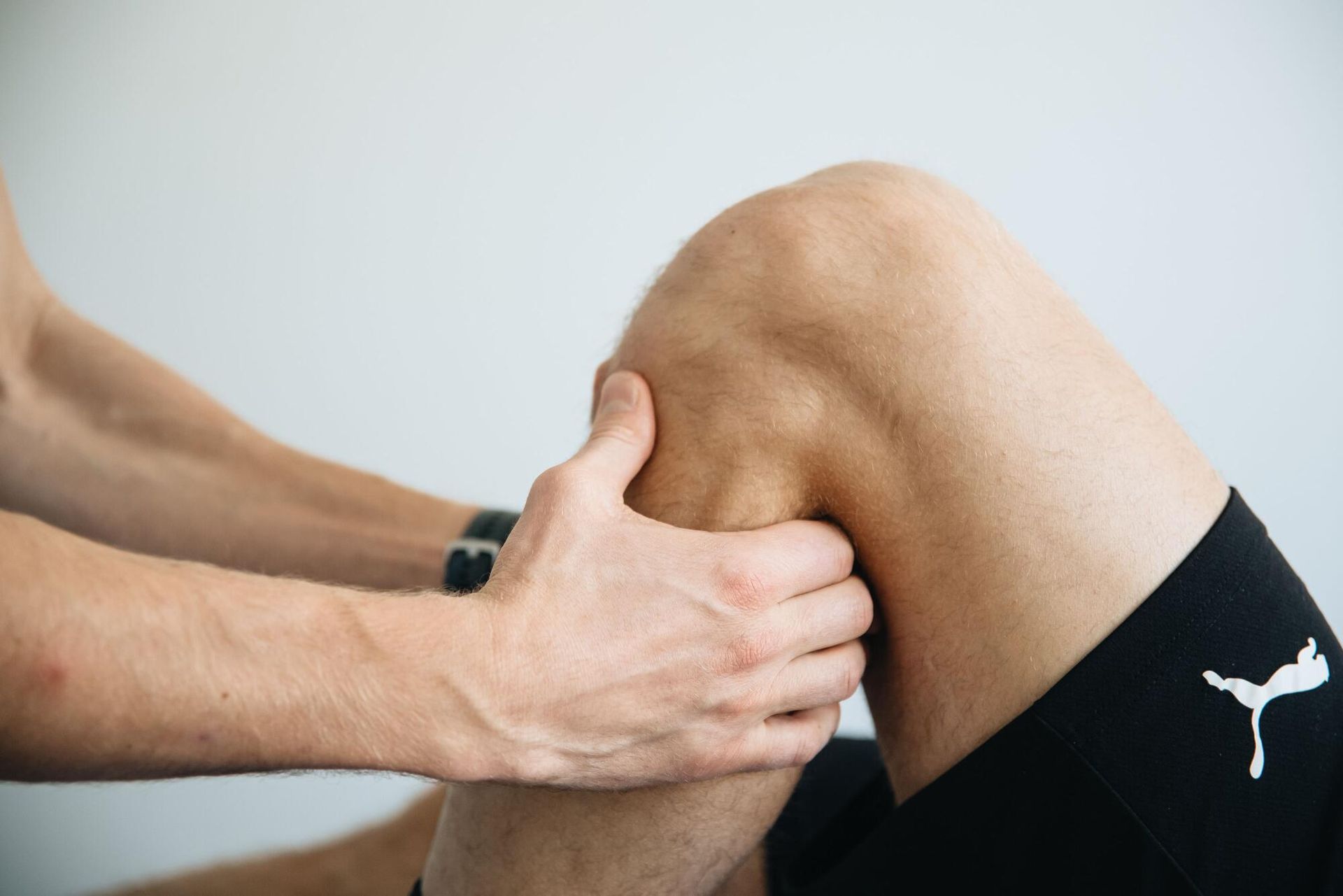
Physiotherapy care may include movement assessment, manual therapy, exercise progression, education, and back rehabilitation built around real-life goals. For adults seeking injury recovery and pain management, this kind of plan can be more useful than temporary fixes that only calm pain for a short time.
Many people searching for physio near me or Physiotherapy near me are really trying to find clear direction. They want to know what is wrong, what helps, and how long recovery may take. Good physio Grande Prairie care should answer those questions in a direct and practical way.
Massage therapy can also support recovery when used well. It may help:
- Reduce muscle tension
- Improve comfort
- Make it easier to move normally again
Massage therapy may support pain management and recovery as part of a broader plan.
What Helps Prevent Chronic Back Issues From Returning?
Prevention is about lowering the odds that a small flare turns into a bigger problem. That usually starts with regular movement through the week. Walking, strength work, mobility training, and changing positions during the day all matter more than trying to sit in one perfect posture.
Smoking, low fitness, and excess body weight can also affect the spine over time. Prevention needs to look at the full picture.
A stronger body usually handles life better. That means training the trunk, hips, and legs so the back is not forced to carry every task on its own. It also means pacing hard days, recovering after long drives or desk work, and paying attention when pain starts building instead of waiting until it becomes severe.
It also helps to know what is normal. Mild soreness after activity is common. Severe pain that keeps growing is different. If pain lasts longer than expected or starts limiting daily tasks, an early visit with Physiotherapy Grande Prairie professionals can help prevent the cycle from becoming harder to break.
Frequently Asked Questions
When Should Back Pain Be Checked Right Away?
Some symptoms need urgent medical attention. These include:
- New bowel or bladder problems
- Numbness in the groin area
- Severe leg weakness
- Fever with back pain
- Unexplained weight loss
- Pain after a serious fall or crash
These signs may point to something more serious than a routine strain. Night pain that does not ease with rest also deserves attention. A proper medical exam helps rule out serious causes before starting standard treatment.
Does Imaging Always Show the Cause of Back Pain?
No. X-rays and MRI scans can show changes that look serious but are also common in people who do not have pain. That is why imaging should be matched with symptoms and nerve findings.
Too much attention on scan results can make people more fearful than informed. A good assessment looks at the whole person, not just one picture.
Can Stress Make Back Pain Worse?
Yes, stress can increase muscle tension, poor sleep, and pain sensitivity. The nervous system and the body affect each other more than many people realize. That is why some people improve more when treatment includes better sleep habits and calmer movement, along with physical care.
How Long Does Back Rehabilitation Usually Take?
There is no single timeline for everyone. A mild flare may improve in a few weeks, while chronic back issues can take longer. Progress often depends on how long symptoms have been present and how consistent the person is with treatment.
Most people do better when they stop expecting one quick fix. Back rehabilitation works best when it is treated like a process with steady gains over time.
Is It Better to Rest or Stay Active With Back Pain?
Too much rest can slow recovery for many common back problems. Short periods of easing off may help during a flare, but staying gently active is usually better than staying still for days. Movement helps maintain circulation and strength.
The key is choosing the right level of activity. A physiotherapist can help decide what movements are useful and what should be limited for now.
Can Poor Work Habits Lead to Ongoing Back Problems?
Yes. Long hours of sitting, repeated lifting, awkward twisting, and poor recovery between shifts can all build strain over time. The issue is often not one bad movement but the repeated load that adds up week after week.
This is common in adults who work at desks, drive for long periods, or do physically demanding jobs. Small changes in movement habits can make a big difference.
What Should I Expect During a Physiotherapy Visit for Back Pain?
A proper visit should start with questions about your symptoms and health history. After that, the physiotherapist usually checks:
- Movement
- Strength
- Flexibility
- Posture
- Signs of nerve irritation
This helps create a plan based on what your body actually needs.
People looking for physio Grande Prairie support often want straight answers. A useful visit should explain what is likely happening, what treatment may help, and what you can do between appointments to keep improving.
Take a Smarter Approach to Back Pain Relief
Back problems are common, but they should not be treated like something adults just have to accept. With the right guidance, better back rehabilitation, and practical steps that support long-term back health, many people can reduce pain, move better, and feel more in control again.
Grande Prairie Physiotherapy & Massage stands out by offering evidence-based care that focuses on injury recovery, pain management, and realistic treatment plans for adults in the local community. If you are searching for Physiotherapy Grande Prairie support that feels personal, clear, and built around your real goals, contact us today.