Is Medication The Best Backache Treatment Option?
Relying on pills for lumbar pain may not be the best option for everyone. Learn why physical backache treatment could be the solution.

Medication can help reduce back pain symptoms, but it is not always the best backache treatment option for long-term recovery. Pain relievers and muscle relaxants may provide temporary comfort, but they often do not address the underlying causes of discomfort, such as weakness, limited mobility, or poor movement patterns.
According to the CDC, millions of Americans live with back pain, making it one of the most common health concerns affecting daily life. Lumbar pain can make work, exercise, and everyday activities more difficult, which is why finding the right treatment approach matters.
At Grande Prairie Physiotherapy and Massage, we focus on identifying the cause of your pain and creating personalized treatment plans. Through physiotherapy, we help patients improve movement, build strength, and manage pain while understanding the limitations of relying only on medication.
What Do Most Doctors Prescribe for Back Pain?
Doctors may recommend medication to help manage back pain, especially when symptoms are affecting daily activities. Common options may include over-the-counter pain relievers, anti-inflammatory medications, or muscle relaxants depending on the person's condition.
These treatments can help reduce discomfort and make it easier to move. However, medication usually focuses on managing symptoms rather than improving the factors that may be causing the pain.
Muscle relaxant limitations are also important to understand. While they may help some people in the short term, they do not improve strength, flexibility, posture, or movement habits that can contribute to ongoing issues.
At Grande Prairie Physiotherapy and Massage, we focus on finding the source of back pain. Our physiotherapists create treatment plans that help improve function and support long-term recovery.
Why Medication Alone May Not Fix Back Pain
Medication can be useful for temporary relief, but it is not always enough to solve ongoing back problems. Pain may return if the underlying cause is not addressed through movement, strengthening, or rehabilitation. Many cases of lumbar pain are linked to factors such as:
- Muscle weakness
- Limited mobility
- Previous injuries
- Poor movement patterns
These issues often require more than medication to improve. Relying only on medication may also prevent people from taking active steps toward recovery. Gentle exercises, mobility work, and guided rehabilitation can help restore how the body moves.
We help patients move beyond short-term relief. Through personalized physiotherapy plans, we focus on improving strength, mobility, and confidence during daily activities.
What's the Worst Thing You Can Do for Back Pain?
One of the worst things you can do for back pain is avoid all movement for long periods. While rest may be helpful immediately after some injuries, too much inactivity can lead to more stiffness and weakness.
The muscles supporting your spine need regular movement to stay strong and functional. When these muscles become weaker, your back may have less support during everyday activities.
Avoiding activity can also make people feel less confident about moving. This may create a cycle where fear of pain leads to less movement and slower recovery.
Here at Grande Prairie Physiotherapy and Massage, we help patients understand which movements are safe and beneficial. Our approach focuses on gradual progress, helping you return to activities while managing discomfort.
How Physiotherapy Provides Long-Term Back Pain Relief
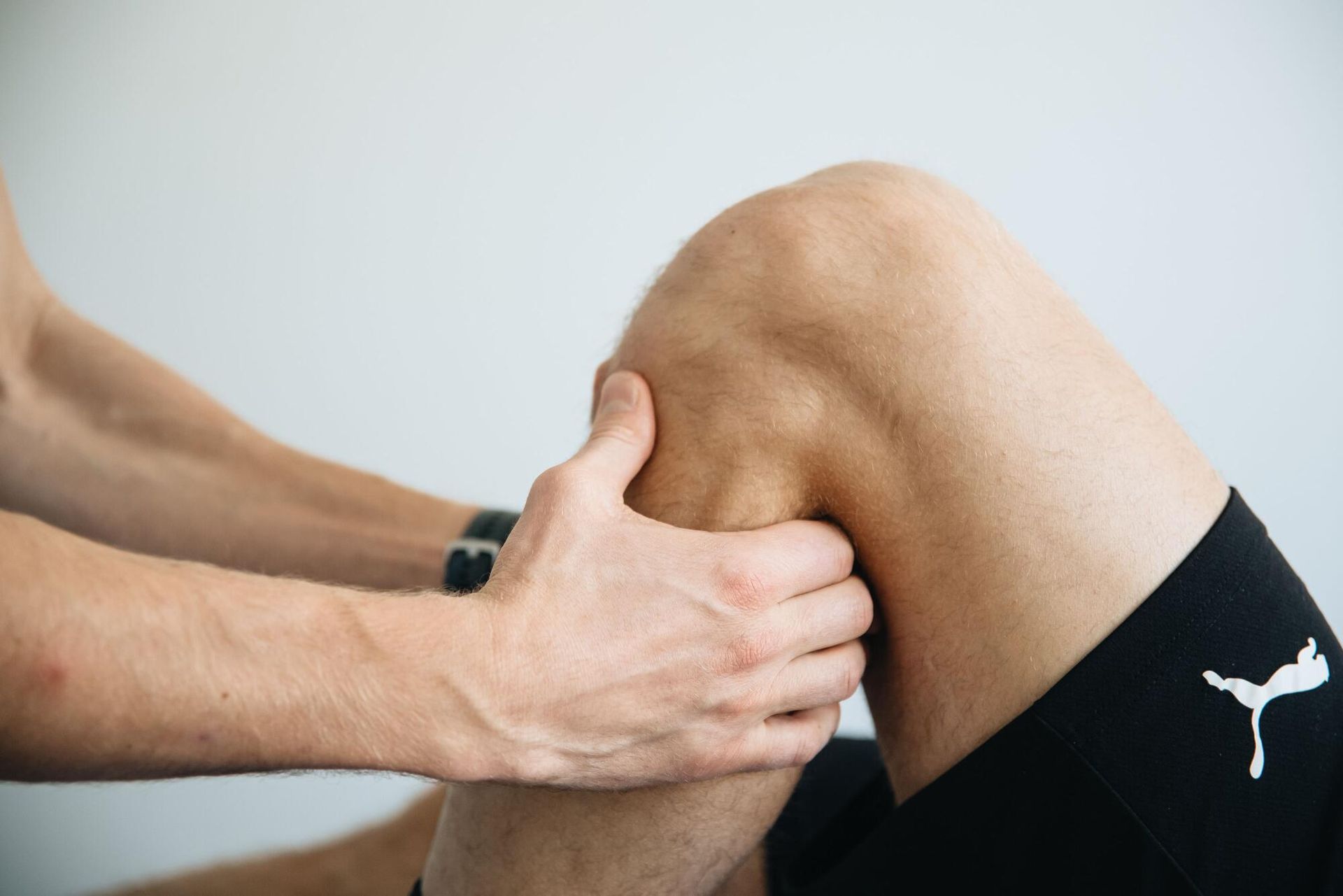
Physiotherapy helps treat back pain by focusing on the reasons behind your symptoms. Instead of only reducing pain, it works to improve movement, strength, and overall function.
The process starts with an assessment of your posture, mobility, strength, and daily habits. Our licensed physiotherapists use this information to create a treatment plan based on your specific needs. Treatment may include:
- Guided exercises
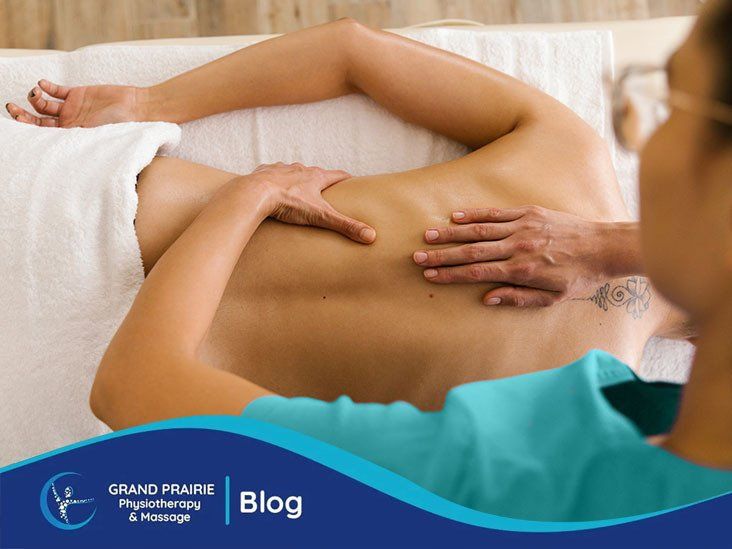
- Manual therapy
- Dry needling
- Spinal decompression
- Rehabilitation programs
Each approach is selected based on your condition and recovery goals. With the right support, many people can improve their quality of life and reduce recurring pain. Physiotherapy provides an active approach to recovery that helps you build healthier movement habits for the future.
Frequently Asked Questions
Can Back Pain Return After Medication Stops Working?
Yes. Medication can reduce pain signals, but it may not address the factors that caused the discomfort. Without improving strength, mobility, or movement habits, symptoms may return after the effects wear off.
Are Muscle Relaxants a Long-Term Solution for Back Pain?
Muscle relaxants may provide short-term relief for some people, but they are not usually considered a complete long-term solution. They do not improve flexibility, strength, or the way your body moves.
Can Sitting All Day Cause Lumbar Pain?
Long periods of sitting can contribute to lumbar pain by placing stress on the lower back and reducing movement. Regular breaks, stretching, and strengthening exercises can help support a healthier back.
Should I Keep Working If I Have Back Pain?
It depends on the severity of your symptoms and the type of work you do. In many cases, staying active with appropriate modifications is better than stopping all activity.
How Do I Know If My Back Pain Needs Professional Treatment?
You may benefit from professional support if pain continues for several weeks, affects your daily activities, or keeps returning. A physiotherapist can help identify the cause and create a treatment plan.
Can Physiotherapy Help With Back Pain Caused by an Injury?
Yes. Physiotherapy can support recovery after injuries by improving movement, rebuilding strength, and helping prevent future problems. Treatment is adjusted based on your injury and recovery stage.
Is Stretching Enough to Fix Back Pain?
Stretching can help improve flexibility, but it is often only one part of recovery. Many people also need strengthening exercises and movement training to address the underlying cause.
What Makes Physiotherapy Different From Taking Medication?
Medication can help manage pain, while physiotherapy focuses on improving how your body moves and functions. Combining professional guidance with active treatment can support longer-lasting results.
Get the Right Backache Treatment for Lasting Relief
The bottom line is that finding the right backache treatment starts with understanding the cause of your pain. Medication may provide temporary relief, but addressing issues like chronic lower back stiffness often requires a more active approach.
At Grande Prairie Physiotherapy and Massage, we create personalized plans designed to improve movement, reduce discomfort, and support long-term recovery. Through treatments such as core stabilization therapy, our team helps patients build strength and return to the activities they enjoy.
Contact us to schedule your assessment.