
Why Stretching Fails to Fix Sore Neck Muscles
Tired of stretching without relief? Discover why basic routines fail against sore neck muscles and what really works.

Stretching alone rarely fixes sore neck muscles because it addresses tension without treating the underlying weakness. Your neck pain keeps coming back because the muscles responsible for supporting your head aren't being strengthened. The best solution combines targeted cervical mobility work, deep muscle activation, and professional guidance.
According to NSLHD, nearly 269 million people will be dealing with neck pain by 2050. The number is staggering. If you've rolled your neck and still woken up stiff the next morning, you should know that stretching feels good for about twenty minutes, then the tightness comes back.
At Grande Prairie Physiotherapy & Massage, this is exactly the kind of problem our team of 25 licensed, multilingual therapists helps you solve. With personalized treatment plans backed by advanced techniques, we've helped countless patients get relief.
Why Don't Stretches Relieve Sore Neck Muscles?
Most people reach for a stretch the moment their neck tightens up. It feels logical, but it rarely offers relief, and here are reasons why:
Your Muscles May Be Protecting an Irritated Area
A tight muscle may not need more force. It may be tightening to protect a sensitive nerve, joint, tendon, or disc. When you stretch aggressively, the body may respond by creating even more tension.
This protective response can make your neck feel better for a few minutes. Once you return to work, the tightness may return.
You May Stretch the Wrong Muscles
Many people pull their head toward one shoulder or push their chin forward during a neck stretch. These movements can place extra pressure on already irritated tissues.
The painful muscle may also be working hard because another muscle isn't doing its share. Stretching the overworked area doesn't correct that imbalance.
Stretching Doesn't Build Control
Your neck needs coordination when you're walking, lifting, and turning. Passive stretching doesn't teach the deep neck muscles to support the head during these activities.
What Causes Recurring Sore Neck Muscles?
Recurring pain often comes from a combination of physical demands, poor recovery, and reduced muscle control. The cause may not be obvious at first.
Deep Cervical Flexor Weakness
Your deep cervical flexors help stabilize your neck. When they lack endurance, larger surface muscles may work overtime. As a result, you may feel fatigue and soreness around the front, sides, and back of your neck.
Your therapist may assess how well you control a gentle chin nod. It's about forcing your chin toward your chest. The goal involves small, controlled movement.
Upper Back Tightness
Your upper back and shoulder blades influence how your neck moves. If you sit for a long time, have limited thoracic movement, or have weak upper-back muscles, your neck can compensate.
Common upper back tightness causes include:
- Long computer or phone sessions
- Repeated reaching or overhead work
- Limited shoulder-blade strength
- Sleeping in one position for too long
- Low activity levels during the day
When the upper back stays stiff, your neck may move more than it should. Stretching your neck alone may miss the source of the problem.
Stress and Muscle Guarding
Stress can raise muscle tension without causing a new injury. You may clench your jaw, lift your shoulders, or hold your head rigidly without noticing, which leads to sore muscles.
Can Stretching Make Neck Pain Worse?
Yes, stretching may worsen symptoms when you use too much force, hold your breath, or move into sharp pain. Here are signs you may be overdoing it:
- Sharp or shooting pain
- Tingling into the arm or hand
- Headache, dizziness, or nausea
- More stiffness the next morning
- Pain that lasts longer after stretching
A strong pull doesn't mean you get a better result. Your nervous system will respond better to gradual, comfortable exposure than to repeated forcing.
What Works Better Than Basic Neck Stretching?
The best approach depends on the cause. Here is what you can do:
Targeted Cervical Mobility
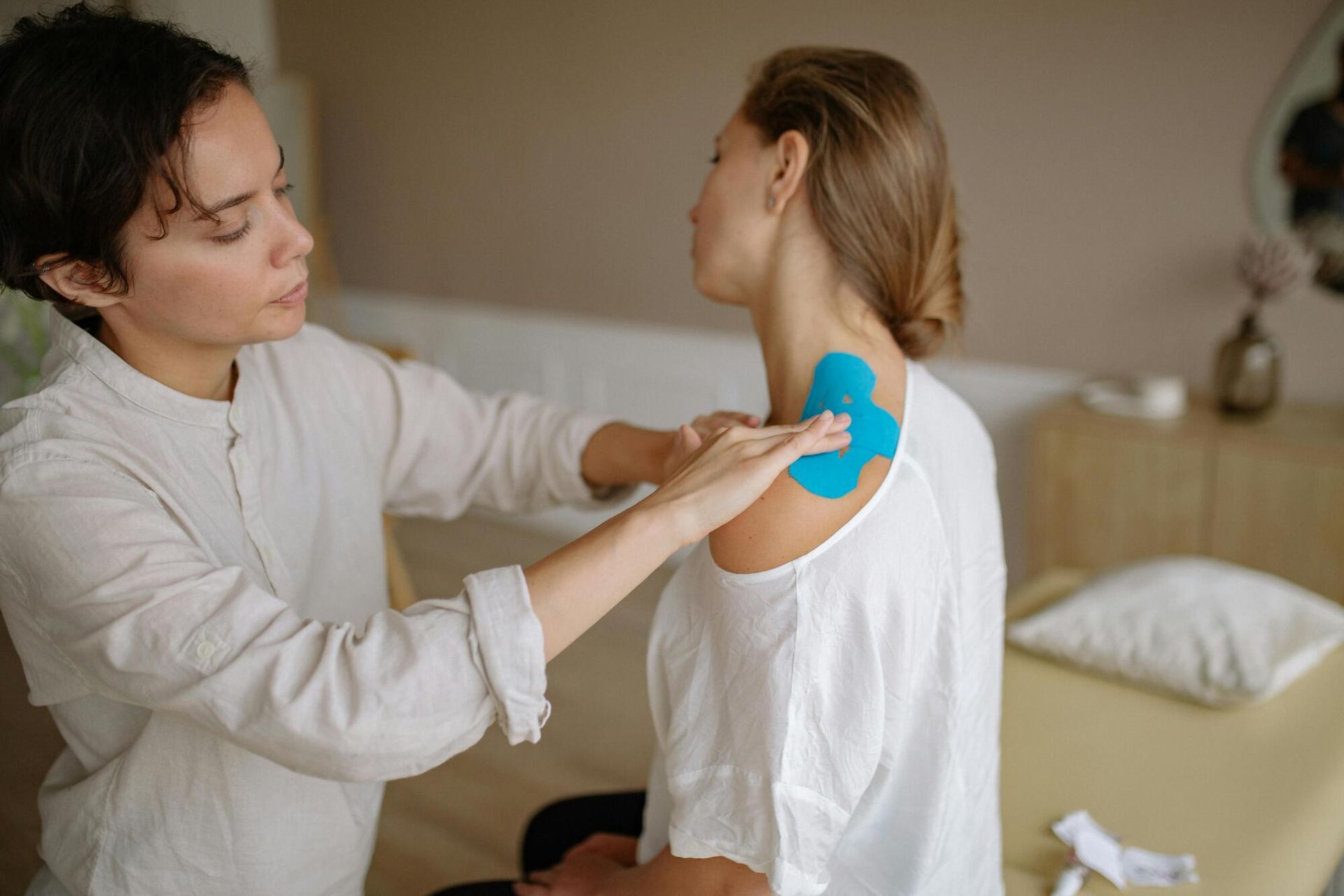
Targeted cervical mobility uses controlled movements that match your symptoms and limitations. Your therapist may work on turning, bending, or extending your neck without provoking pain.
Strength and Endurance Training
Strengthening can help your neck and upper back tolerate daily demands. Exercises may target the deep neck muscles, shoulder blades, upper back, and trunk.
Your therapist may begin with low-load exercises. Over time, the plan can progress to resistance work, postural endurance, or task-specific movements.
Manual Therapy and Soft-Tissue Treatment
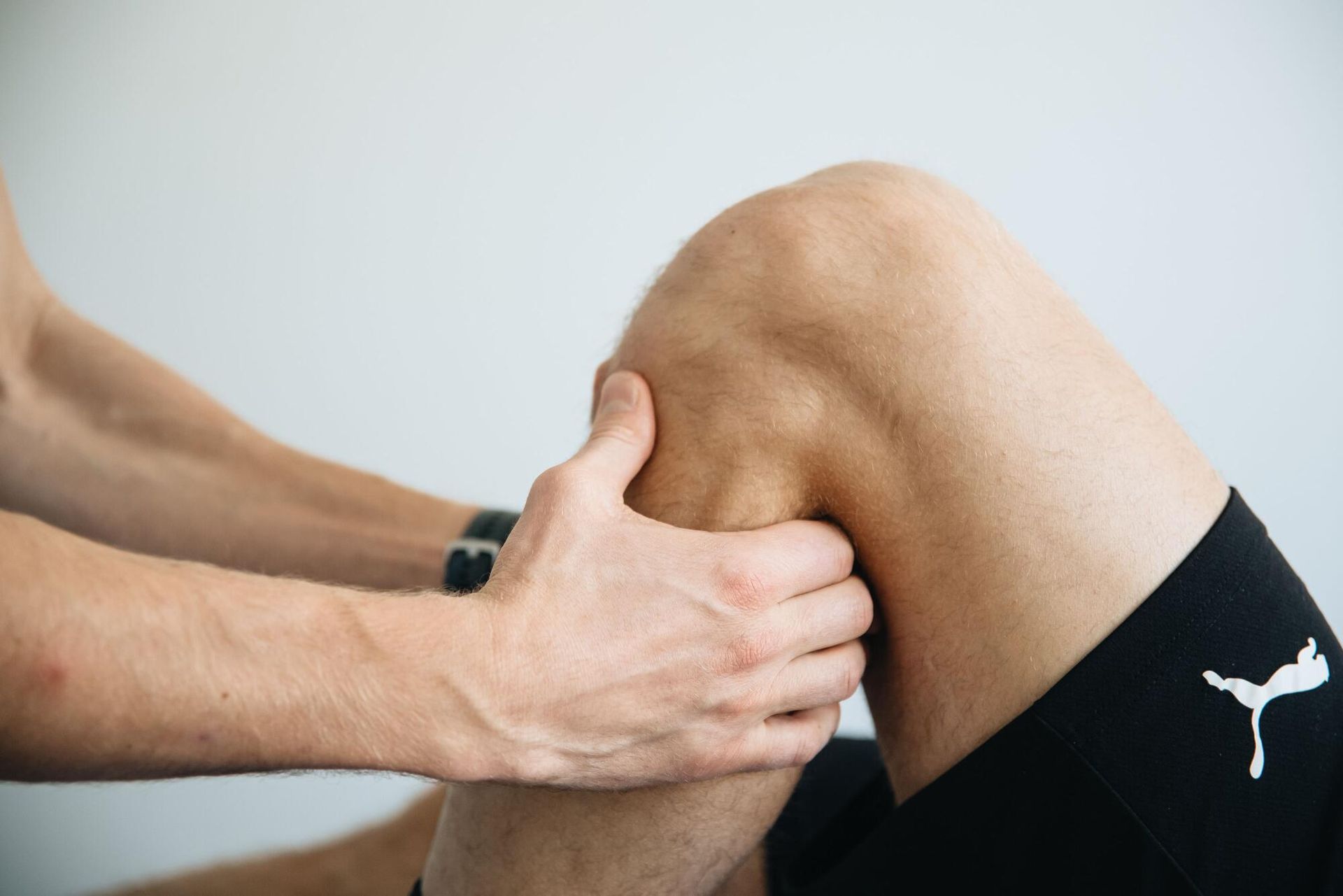
Hands-on massage treatment may reduce short-term stiffness and make movement easier. It can complement exercise, but it shouldn't replace active rehabilitation. A good plan connects temporary symptom relief with lasting improvements in movement and capacity.
Frequently Asked Questions
Can a Pillow Change Cause or Worsen Sore Neck Muscles Overnight?
Yes, it can. A pillow can contribute to neck pain if it pushes your head too far forward, backward, or sideways. Side sleepers often need enough height to fill the space between the shoulder and head. If you're a back sleeper, you may prefer a lower profile that supports the natural curve of the neck.
Can Eye Strain Feel Like Neck Pain?
Yes. Long periods of focusing on a screen can cause eye fatigue and squinting. These responses may increase tension around the forehead, temples, jaw, shoulders, and neck.
Adjust your screen brightness, increase text size, and take regular distance-viewing breaks. If you experience vision changes, severe headaches, or persistent eye pain, contact an eye-care professional.
Can Exercise-Induced Muscle Spasms Make Neck Pain Worse?
Yes, and these surprises many active people who assumed staying fit can protect them. Exercise-induced muscle spasms can occur in the following situations:
- Overhead pressing movements
- Running with forward head posture
- Cycling in an aggressive aerodynamic position
- Heavy deadlifts or rows performed with a rounded upper back
Many people stretch them out and return to the exact same exercise patterns that caused them. You need a proper assessment of the source of your pain.
Access Qualified Physical Therapy Recovery
Sore neck muscles can be frustrating. However, you can get relief from professionals who offer physical therapy recovery solutions.
With 25 licensed, multilingual physiotherapists, a state-of-the-art rehabilitation gym, and over seven years of proven results across Grande Prairie and Peace River, Grande Prairie Physiotherapy & Massage builds every treatment plan around your specific muscle imbalances, movement patterns, and daily demands. We help you stay pain-free.
Contact us to schedule an appointment.