
Rotator Cuff Tear and Physiotherapy
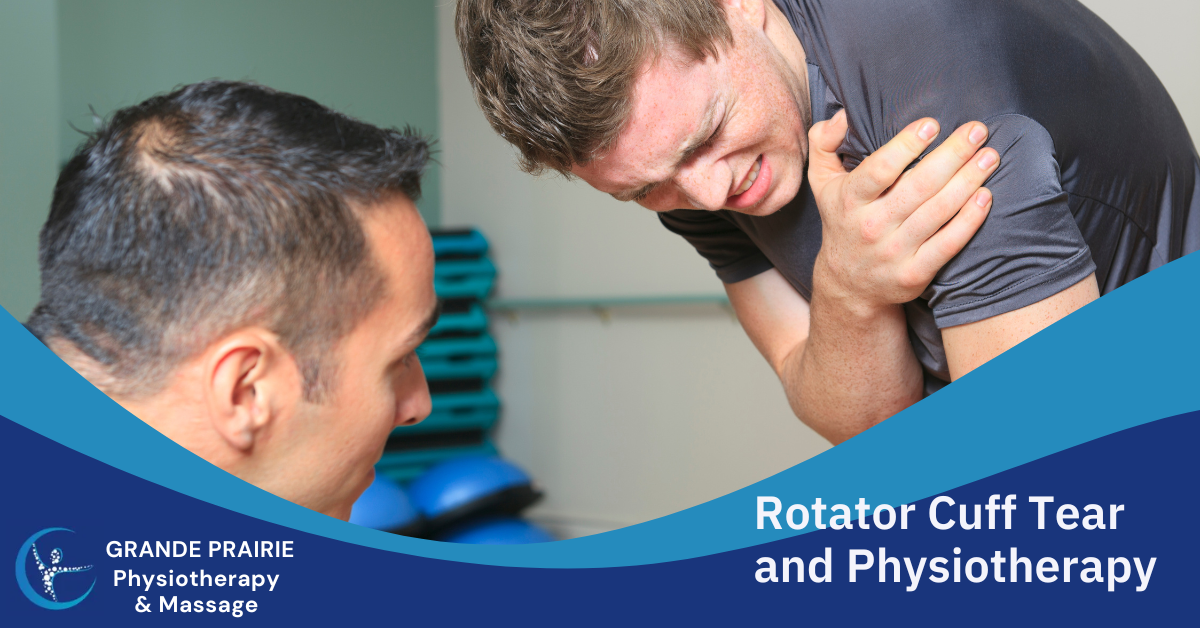
The rotator cuff muscles help in your shoulder movement. While lifting weights, something to get from the high shelf, combing your hair, or playing sports such as tennis, basketball, or swimming, it helps in everyday life.
In order for our shoulder to function, the rotator cuff plays an important role. It's especially essential in everyday life and sports like baseball, tennis, swimming, and gymnastics.
If you suffer from rotator cuff tear or pain in the upper part of your shoulder, then don't hesitate to visit the doctor or consult a physiotherapist. We at Grande Prairie Physiotherapist & Massage help the patient to treat their rotator cuff tear. If you don't know about rotator cuff tears or when to consult with a physio, read the entire article to get an insight.
What is Rotator Cuff Tear?
The rotator cuff connects the upper arm bone (humerus) to the shoulder socket by stowing the ball (head) in position. Additionally, it permits you to raise and rotate your arm.
The rotator cuff consists of these muscles, and each plays an integral role:
1. Supraspinatus: This keeps your upper arm stable and holds your humerus in place. Furthermore, it helps raise your arm.
2. Infraspinatus: Shoulder rotation and extension are controlled by this muscle.
3. Subscapularis: It helps you rotate, hold, and lower your arm while holding the upper arm bone in place.
4. Teres Minor: The smallest rotator cuff muscle helps to assist the arm in rotating away from the body.
What are the Symptoms of Rotator cuff injury?
The most common symptoms of Rotator cuff tears are:
· Pain with overhead activities.
· Severe pain at the time of injury.
· Weakness of involved muscle.
· Shoulder stiffness.
· Pain at night.
· Positive painful arc sign.
Why do Rotator cuff tears occur?
Rotator cuff tears cause ample reasons and can happen to many people. Here is the reason why rotator cuff tears occur:
· Age-related muscle deterioration.
· Tensile overload.
· Degenerative changes.
· Subacromial and internal impingement.
· Inflammation of the joint capsule.
· Poor vascularity.
· Repetitive micro-trauma.
· Excessive repetitive motions.
· Traumatic injuries.
· Unexpected force when pushing or pulling.
· Fall on an outstretched hand.
· Atraumatic injuries.
Does Physiotherapy help Rotator cuff Injury?
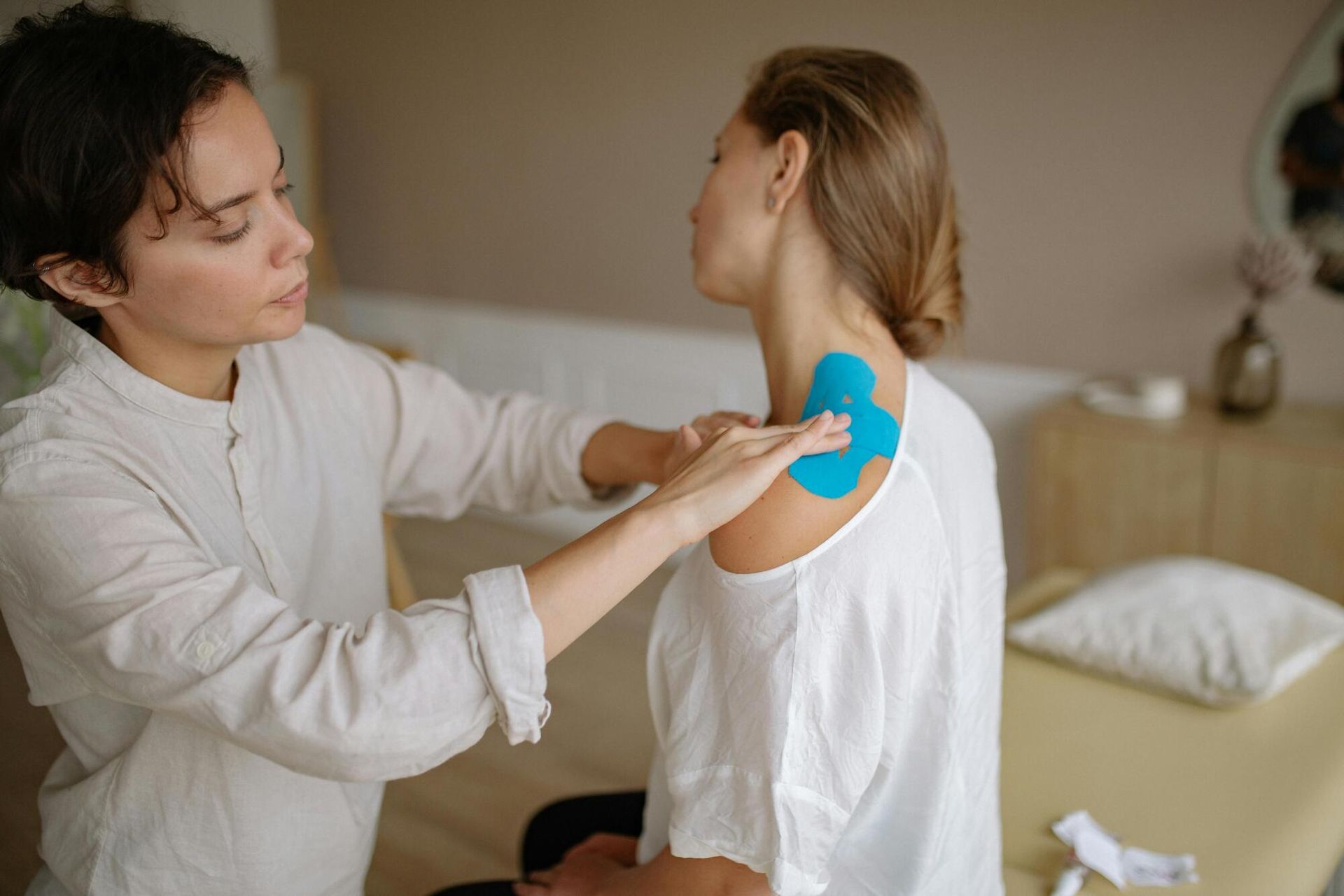
Physical therapists help in a variety of ways. Research has shown that PT is just as effective as surgery in treating rotator cuff tears.
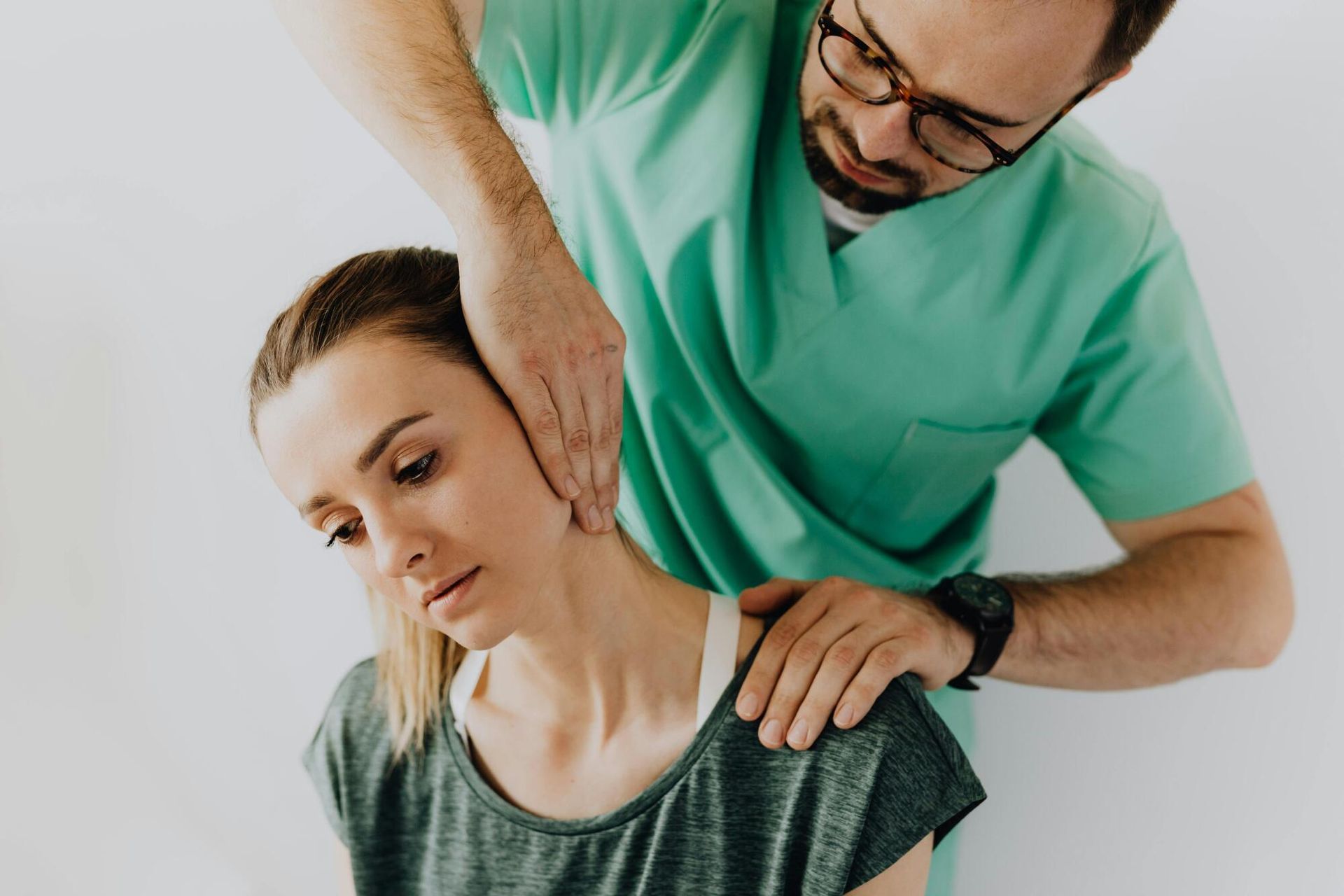
Physical therapists will ask you questions about your life and occupation. Your pain will be assessed through some tests. As the therapist observes your limits, you'll be asked to raise your arm, move it to the side, or push against something. A physical therapist can discuss surgical and nonsurgical options with you.
Few tips to help the shoulder pain:
- Use ice or heat to ease the pain
- Get back your range of motion
- Return to your regular activities (be patient -- this can take a while)
- Improve the way you sit and stand (your posture) to help reduce pain
- Exercises to strengthen your shoulder muscles
- Find ways to do things so that they don’t hurt your shoulder
- Find a way to sleep that doesn’t hurt your shoulder
- Understand why you need to keep moving
- Learn to carry objects safely
The physiotherapist will examine your pain carefully and treat them according to it. The Grande Prairie Physiotherapy & Massage eases your pain and recommends some tips and tricks and exercises to heal your rotator cuff tear.
Whenever you feel a rotator cuff tear or pain in your shoulder, feel comfortable to visit the Physiotherapist at Grande Prairie Physiotherapy & Massage, Alberta. We want to bolster your pain and get back the life that you love!