Why Do You Experience Back Pain on One Side After Lifting?
Post-workout aching won't clear up? Learn why back pain on one side indicates asymmetrical force loads and sacroiliac joint strain.
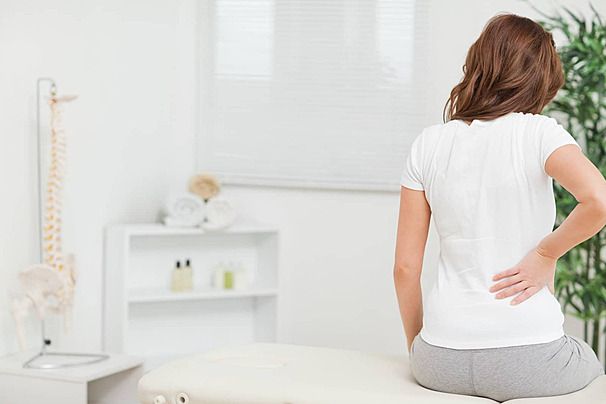
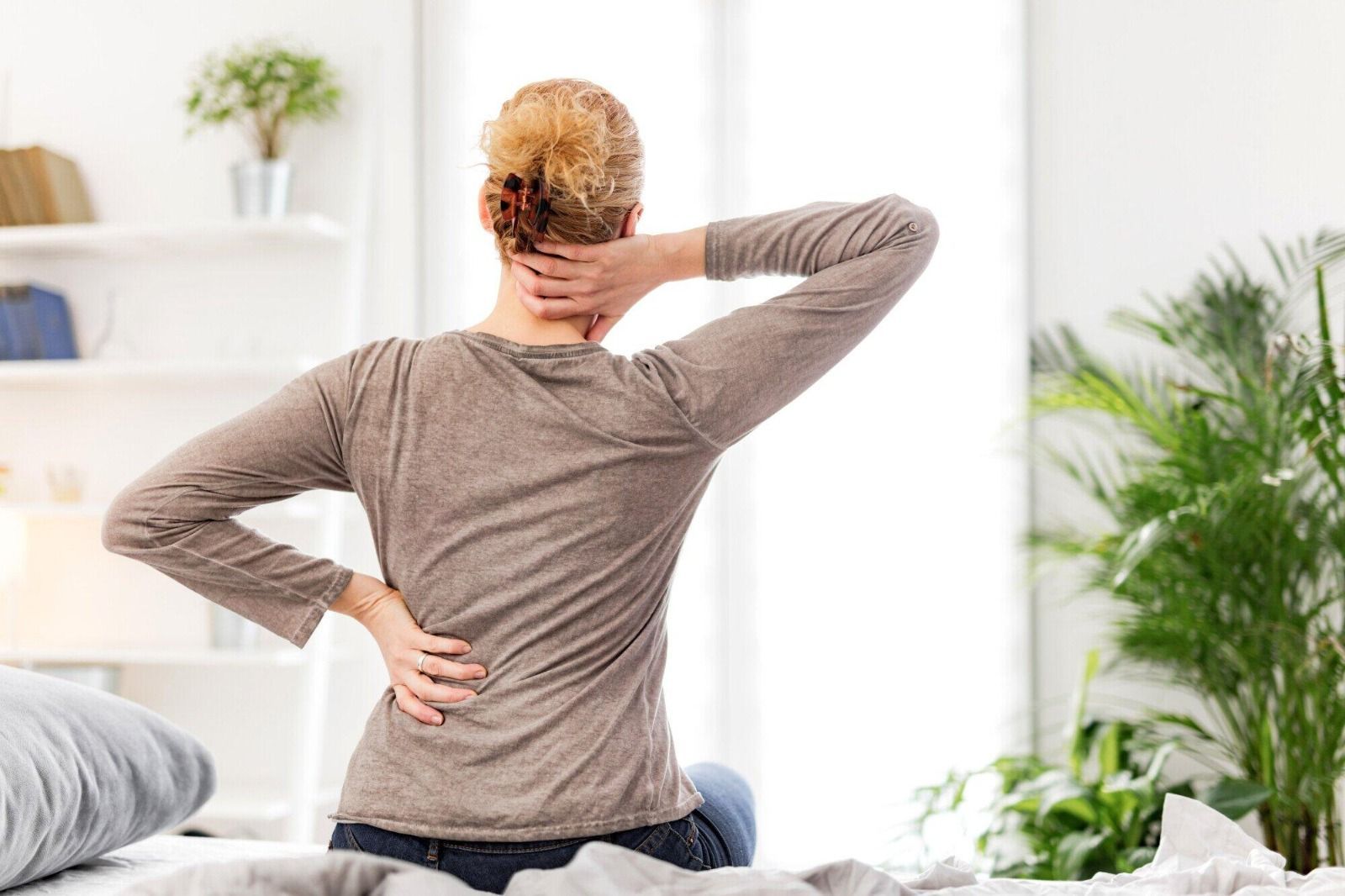
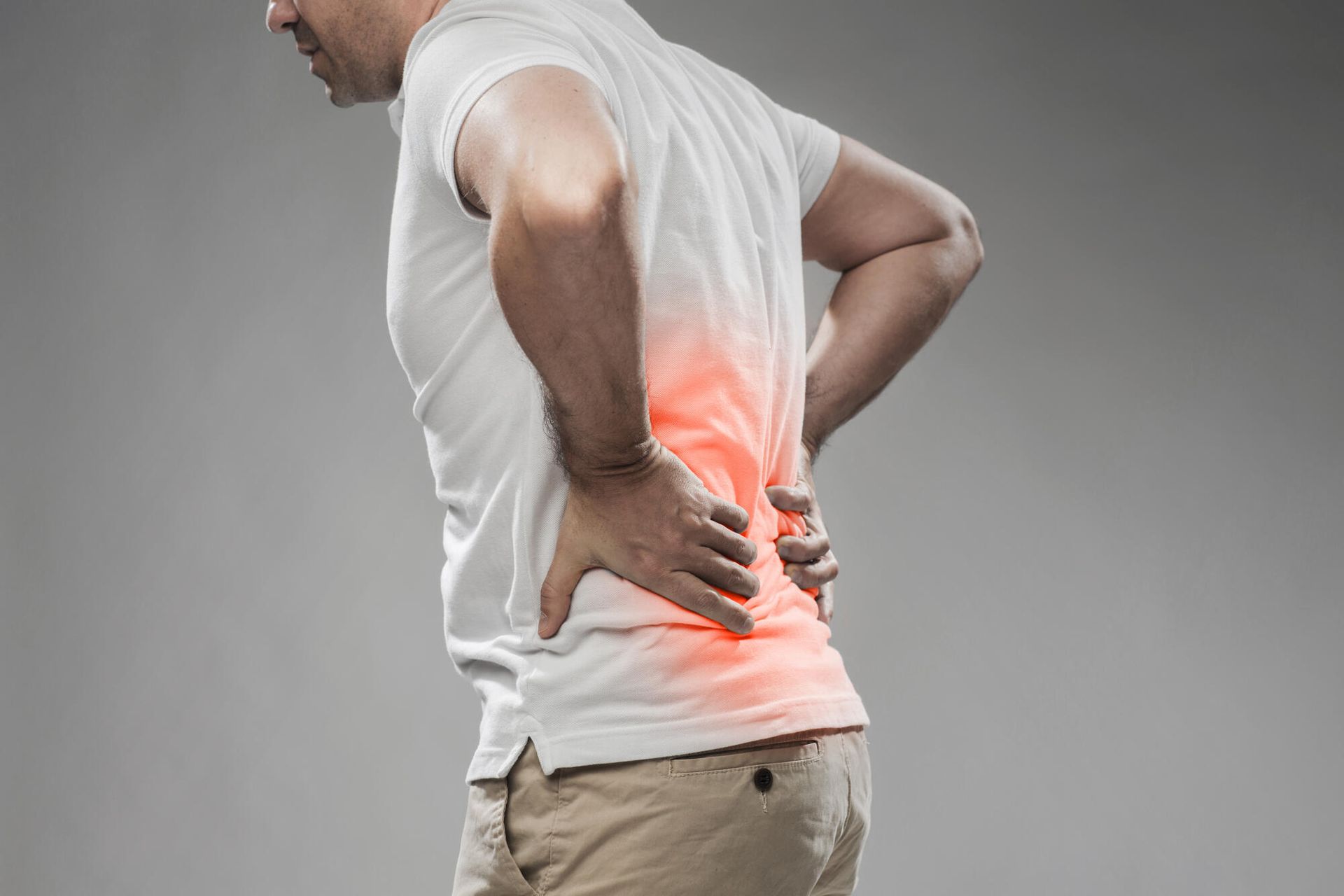
Back pain on one side after lifting often comes from a strained muscle or an irritated joint. Uneven effort can put more demand on one side of your body, but the location of the pain alone cannot tell us what is causing it.
Do you feel a sharp twinge or nagging ache on one side of your back after lifting? MedlinePlus explains that back pain can begin after lifting a heavy object or moving suddenly. You may also feel stiff or find it harder to stand up straight.
To understand your symptoms, we start with what happened before the pain began. The weight you moved and how often you lifted it help us plan your assessment, whether you were exercising or carrying something.
What Causes Back Pain on One Side?
A sudden increase in weight or repeated lifting may ask more of your back than it can comfortably handle. Muscles on one side can become sore, and fatigue may make each lift harder. We consider these demands when reviewing common causes of back pain.
Joints around your lower spine and pelvis can also contribute to discomfort. The sacroiliac joints connect the base of your spine to your pelvis and help transfer weight between your upper body and legs.
Sliding forces across this area are known as sacroiliac joint shear. The term describes how forces act, so we still need to assess the area to understand what may be causing your symptoms.
The small facet joints at the back of your spine can also become irritated. A catching sensation is sometimes called lumbar facet locking, although that feeling alone does not confirm that a joint is stuck.
Disks, which cushion the bones of your spine, can sometimes irritate nearby nerves. These possible causes can produce similar symptoms, which is why pain location is only one clue.
How Do We Find the Cause?
We ask when the pain started and which part of the lift brought it on. We also review the weight you used and whether the discomfort began during one lift or after repeated effort. Your answers help us choose which movements to assess.
Next, we compare how each hip moves and how your trunk handles effort. If your pain began during a deadlift, we review your setup and how you moved the weight. For a unilateral deadlift injury, we assess the affected side and check balance when the movement involves one leg.
If symptoms travel into your leg, we assess signs of nerve tension along with muscle strength. We may also watch you perform a light version of your lift to help choose a starting point for treatment.
Lifting With More Even Support
Your assessment helps us make useful changes to your lifting technique. Carrying a weight in one hand places different demands on each side of your trunk. This is called asymmetrical core loading, and we assess how well you manage that effort.
We also review barbell biomechanics, including the bar's position in relation to your body. Its distance from your body affects how hard your lower back muscles must work. The Canadian Centre for Occupational Health and Safety recommends keeping the load close and facing the object you are lifting.
Similar principles apply outside the gym. Placing a wide box on a raised surface can reduce how far you need to bend, while using a hand truck reduces carrying demands.
Before lifting, check the following:
- Check the weight on each end of the bar
- Use a firm, steady grip
- Turn with your feet when carrying a load
- Practice with a manageable weight
A Gradual Return to Lifting
Recovery involves rebuilding strength as well as easing discomfort. Start with comfortable daily movement while reducing lifts that bring on pain. Practicing a lighter version of a lift can help you rebuild strength and control as symptoms allow.
Your daily tasks add to your workload, too. Carrying groceries takes effort, so your targeted injury recovery exercises should account for the lifting you do at home and work.
Frequently Asked Questions
What Is the Best Sleeping Position for Lower Back Pain?
The National Institute of Arthritis and Musculoskeletal and Skin Diseases suggests supported positions for sleep, including lying on your side with a pillow between your knees. If you prefer sleeping on your back, try placing a pillow under your knees.
Choose a position that helps you relax. Adjust your pillows or change positions during the night as needed.
Do I Need an MRI for Lower Back Pain?
An MRI usually is not the first step for a new episode of uncomplicated lower back pain. A physical exam often provides enough information to begin care. Your provider can explain whether a scan would help guide your care.
Is Heat or Ice Better for Back Pain?
Heat may ease stiffness, while a cold pack may soothe a sore area. Either can provide temporary relief, so choose whichever feels more helpful.
Place a towel between the pack and your skin, and start with a brief application. Check how the area feels afterward before using it again.
How Long Does a Pulled Back Muscle Take to Heal?
A mild back strain may start improving within days and settle over a few weeks. A more significant strain can take longer, and pain may ease before your full lifting strength returns.
Everyday changes, like turning in bed or putting on socks more easily, can help you recognize progress. We consider these improvements along with movement tests to guide your recovery.
How Do I Know When I Am Ready to Lift Again?
Being able to perform a lighter version of the task with controlled movement is one sign of progress. Your symptoms during and after the activity also help us judge whether the workload is right for you. Your physical therapist can help you decide when to increase repetitions or add weight.
Recovery That Fits Life in Grande Prairie
At Grande Prairie Physiotherapy & Massage, our gym gives you space to practice movements as part of your recovery. Weekday appointments until 8 p.m. help Grande Prairie residents fit care around their work schedules.
We build your plan around the lifting tasks you want to return to. If back pain on one side is holding you back, contact our physical therapy team to arrange an assessment.