Work Desk Ergonomics: Setting Up Your Home Office
Whether permanently working from home, juggling a hybrid schedule, or just spending a lot of time at the desk, it’s important to be aware of how we position our bodies during long sitting spells in front of the computer. Here are some simple ergonomics tips that can help prevent aches and injuries, even if you're working at the office away from home.
The Computer Screen
How you position your computer has an effect on your entire upper body as well as your eyes. Your computer screen should be an arm’s length away from your eyes and the middle of the screen should be level with your eyes. If the screen is too far away, you are prone to lean your head forward which can put a lot of strain on your neck and can also cause a headache.
The Chair
It's best to sit in a chair with armrests. When your forearms are resting on the armrests, your shoulders should be relaxed, not elevated. You can also have a support for your wrist such as a keyboard wrist rest, especially if you're suffering from carpal tunnel syndrome.
A chair with proper back support is recommended. If you don't have one, a simple solution is to roll a towel and place it between your lower back and the chair for support. A rolling chair can also be more comfortable allowing for small movements during your sitting sessions.
How to Sit
To ensure that you are looking out for your entire body, you must pay attention to more than just the waist up. Your hips, knees and ankles should all be at 90-degree angles with your feet flat on the floor. This helps evenly distribute weight and pressure while preventing cramping from sitting in a twisted or unnatural position.
When to Stand
It is recommended that you take a break every hour for about 5 minutes to boost your energy, keep the blood flowing, and decrease stiffness and strain you can experience from sitting for extended periods of time. Studies have shown that sitting for too long - whether it’s at work or in front of the television - can have long-term adverse effects on our health.
Physiotherapy Can Help
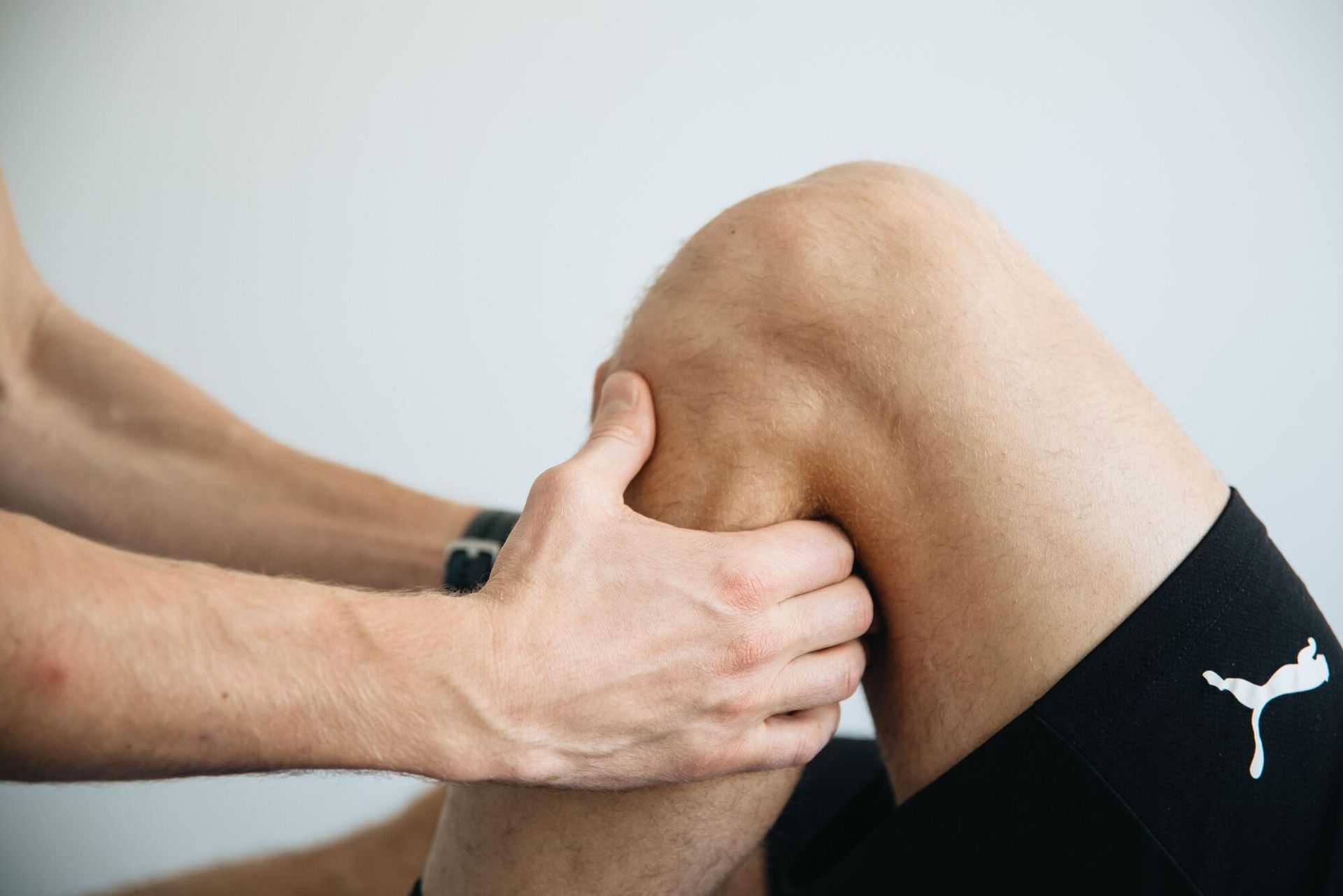
Physiotherapy is not just for healing. It can help prevent injury by increasing mobility and improving range of motion. A trained physiotherapist can show you the right way to spend time sitting at your desk with ergonomic tips and healthy stretching. If you find that your screen time has taken its toll on your neck, back or hips, a customized treatment plan can relieve your pain and help prevent additional discomfort.
At Grande Prairie Physiotherapy & Massage, we offer no-obligation appointments to talk about your goals and help make those long hours at the office - home or away - less stressful on your body.
Contact us to schedule a time.